Robot categories
10 of 10 scored todayEach category is ranked by its own index, against reference scales drawn from its own field. That is deliberate: the humanoid metric measures hand dexterity against a human hand and travel speed against a human jog, so applying it to a quadruped would score it zero for lacking thumbs, and to a surgical arm zero for being bolted to the floor. Both numbers would be arithmetically valid and meaningless. How the scoring works →
What is comparable across categories
Composite scores are not comparable between categories — a quadruped's 71 and a humanoid's 71 answer different questions. Two pillars are, because they are scored from ladders rather than physical measurements: a teleoperated submarine and a teleoperated humanoid are equally teleoperated, and shipping is shipping. Autonomy and commercial readiness therefore use the same rungs in every category, and no category's profile is allowed to redefine them.
HMX published
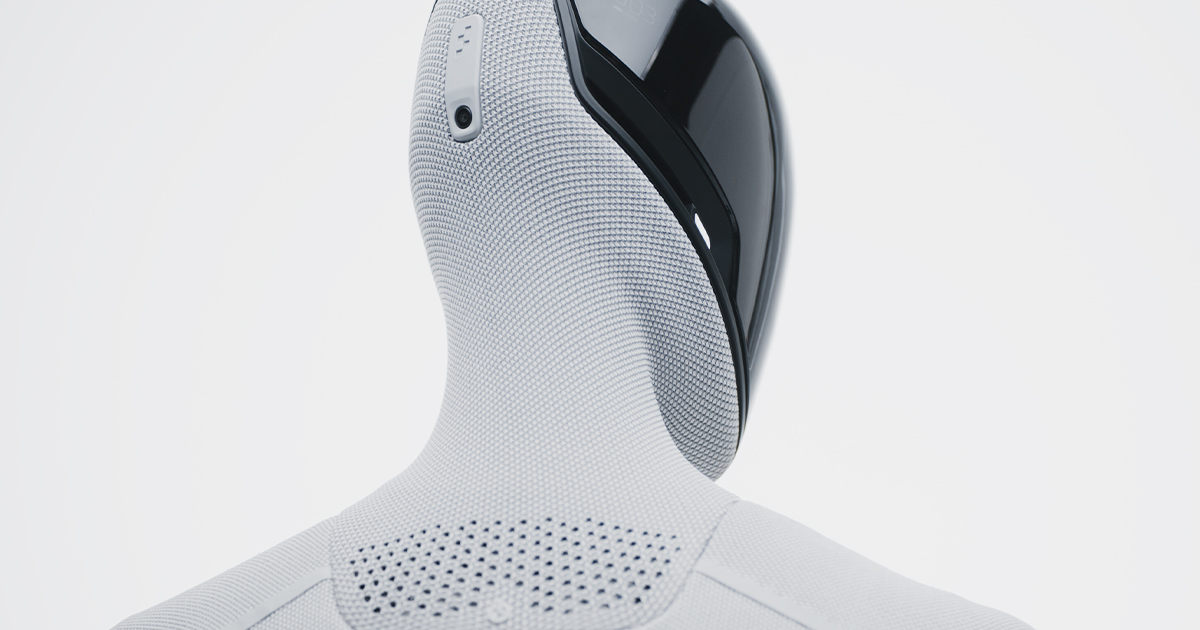
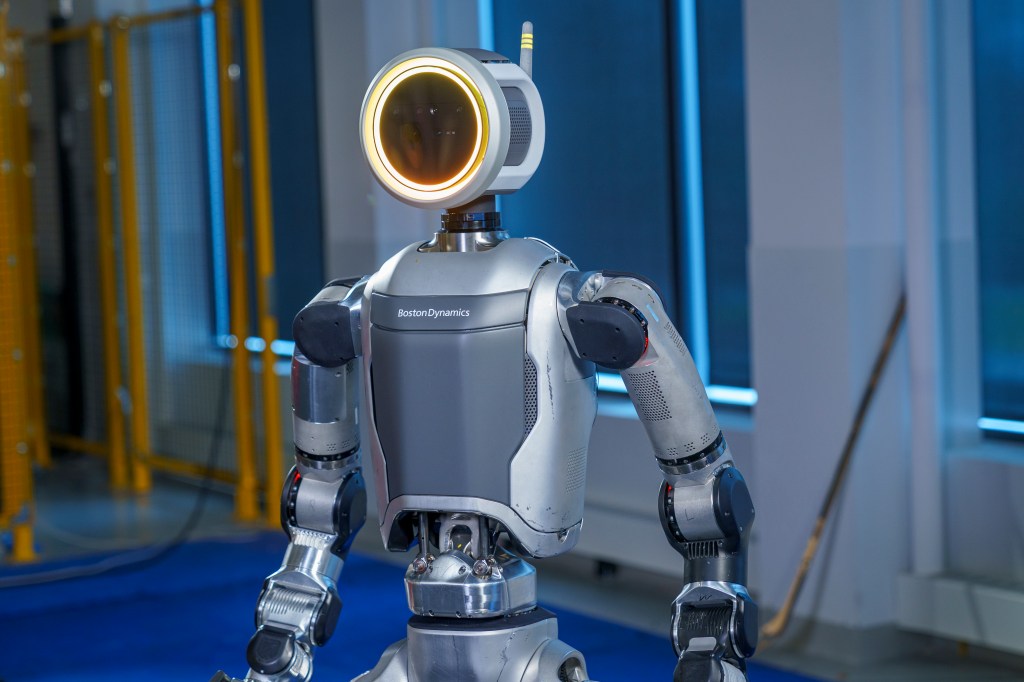
Bipedal and wheeled-biped general-purpose robots with arms, built for work in human environments.




QMX published
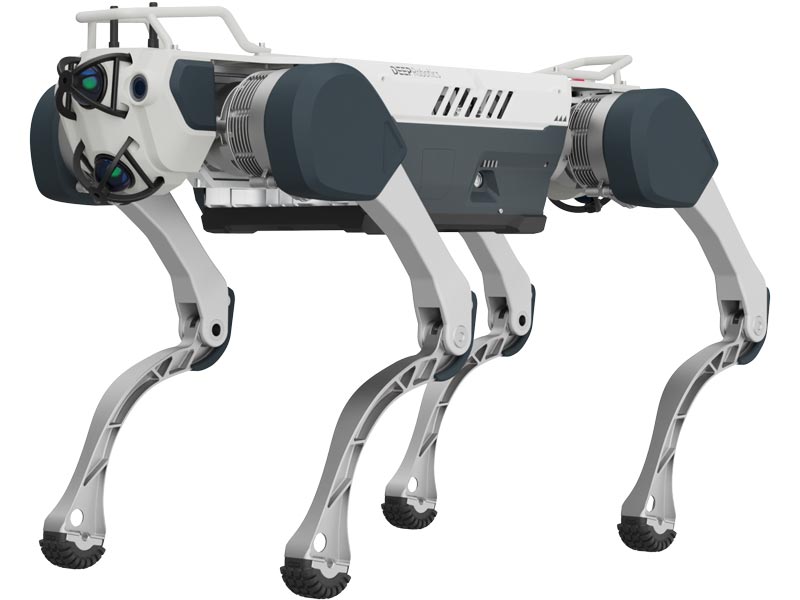
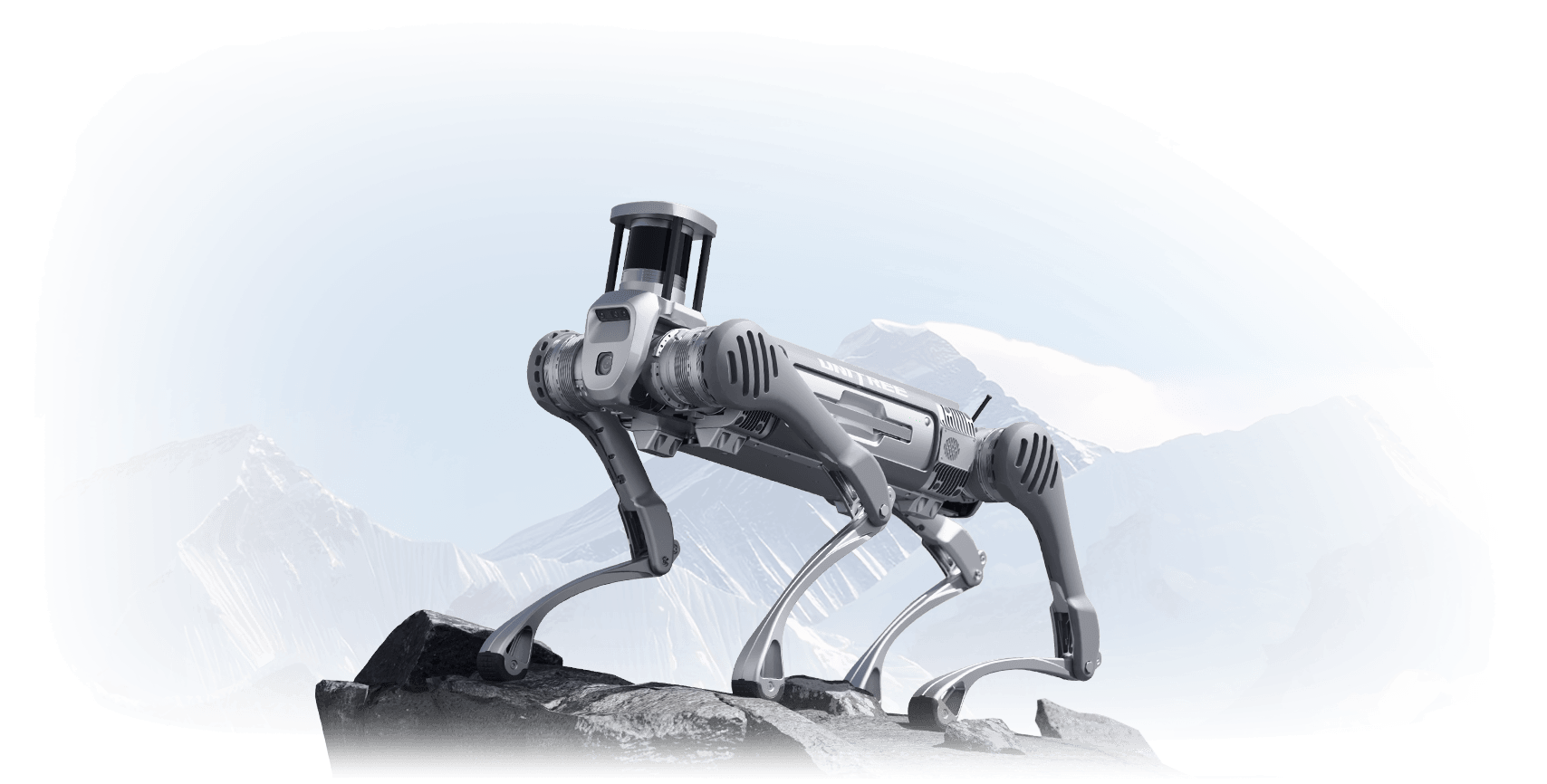
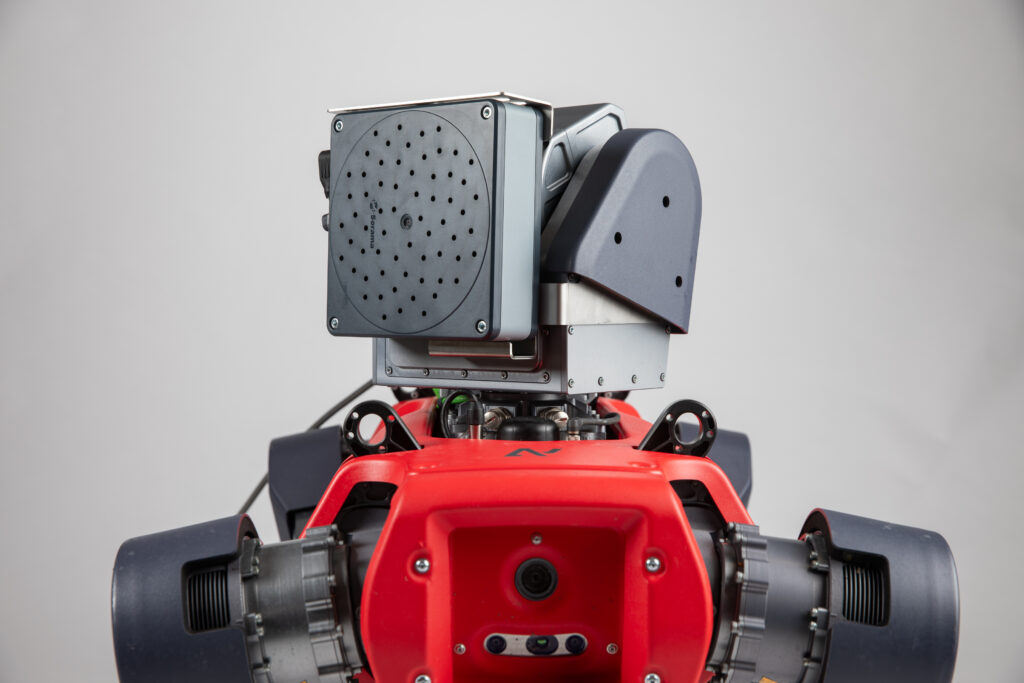
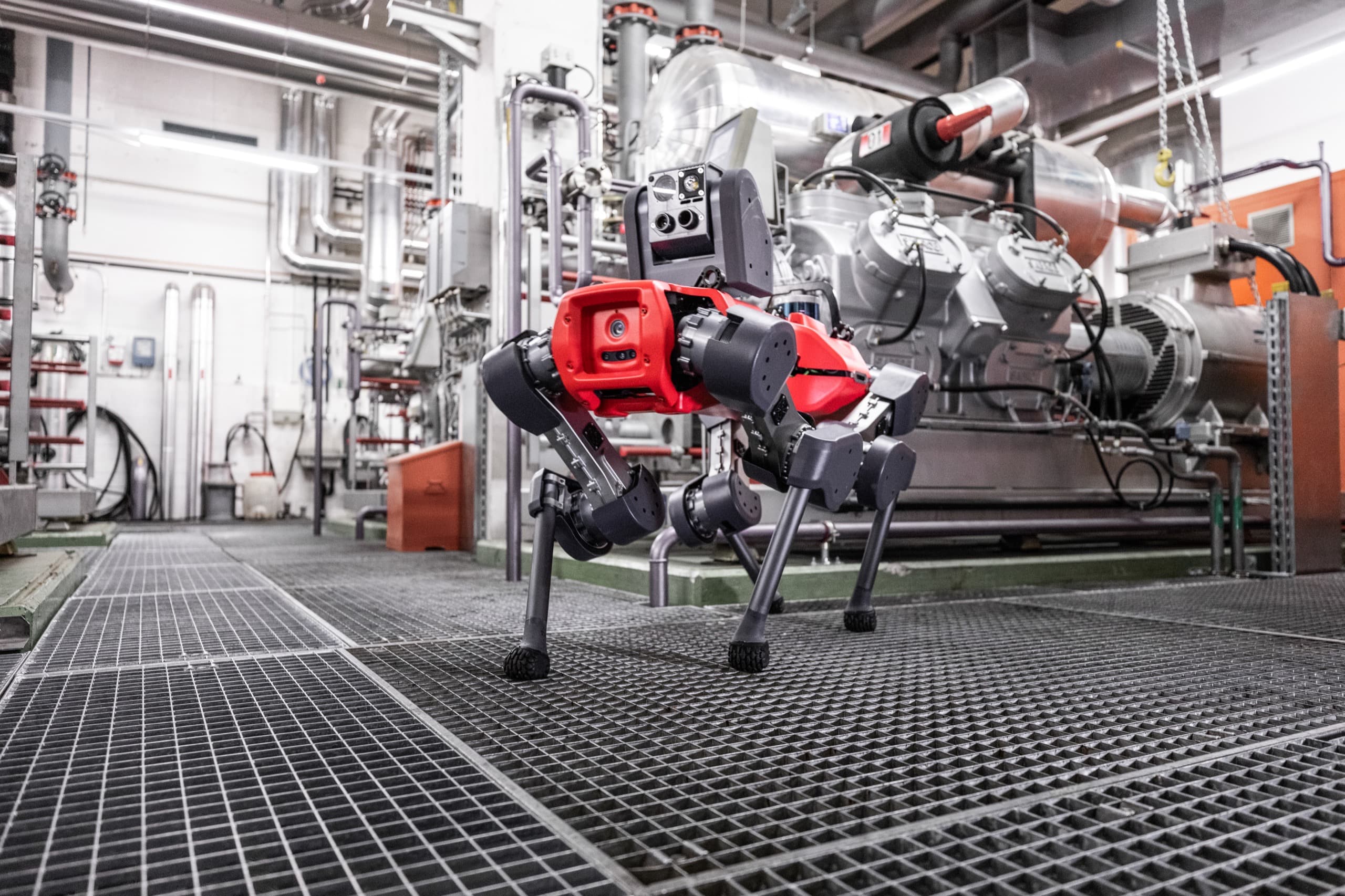
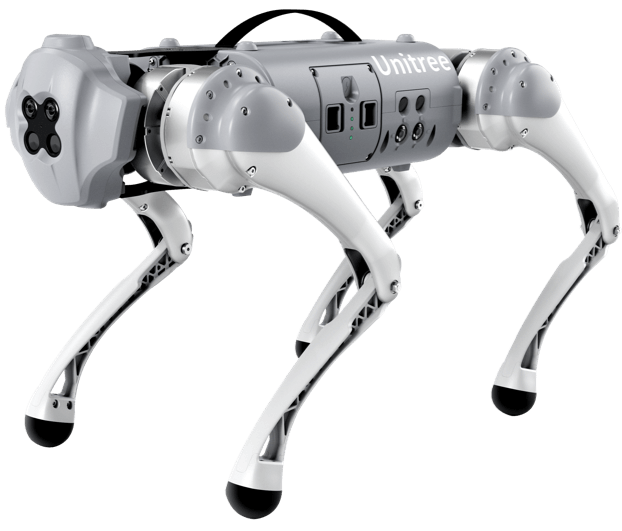
Four-legged robots for inspection, security and rough-terrain work, with or without a mounted arm.

MMX published
Stationary industrial arms and collaborative robots, mounted to a floor, bench or gantry.

MRMX published
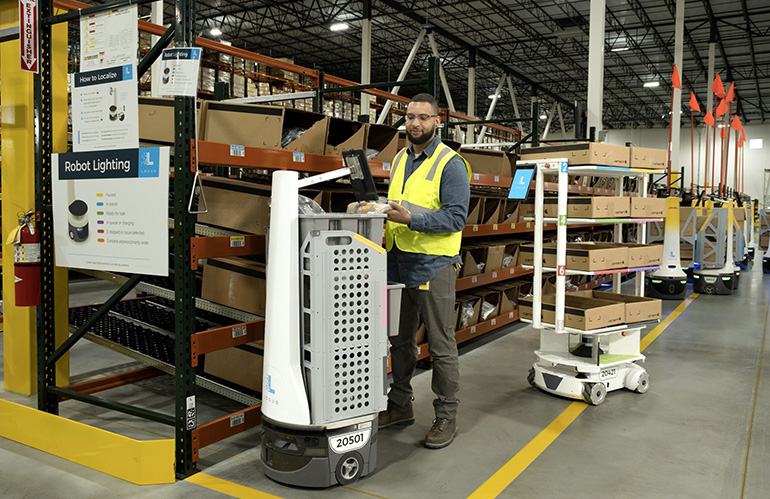
Wheeled and tracked mobile robots — warehouse AMRs and AGVs, delivery robots, and hospitality or retail service robots.

AMX published
Uncrewed aircraft — multirotor, fixed-wing and VTOL hybrids — for inspection, delivery, survey and defence.

MARMX published
Autonomous underwater vehicles, remotely operated vehicles and uncrewed surface vessels.


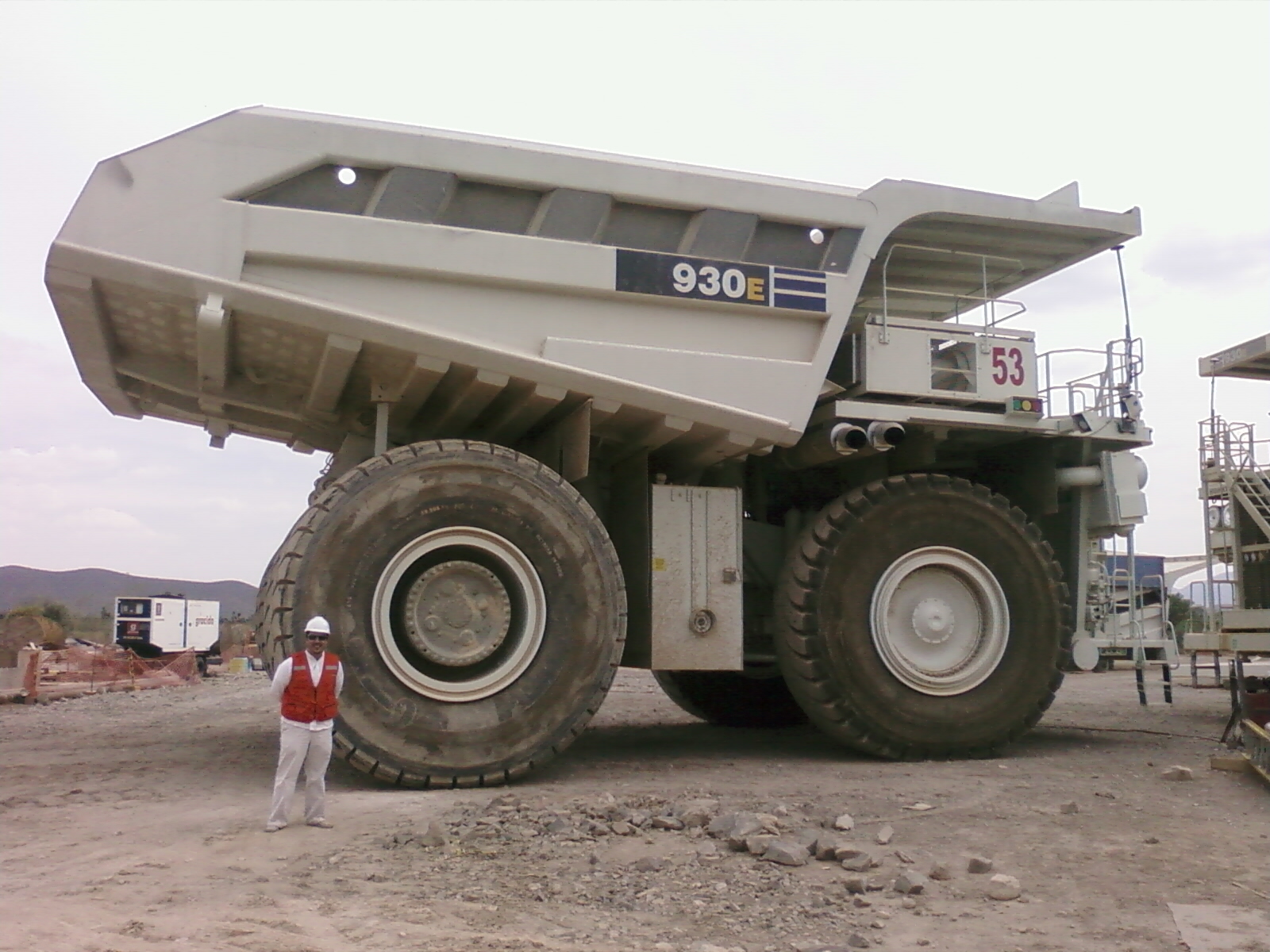
HVMX published
Autonomous heavy plant and off-road machines — excavators, haul trucks, tractors and harvesters.


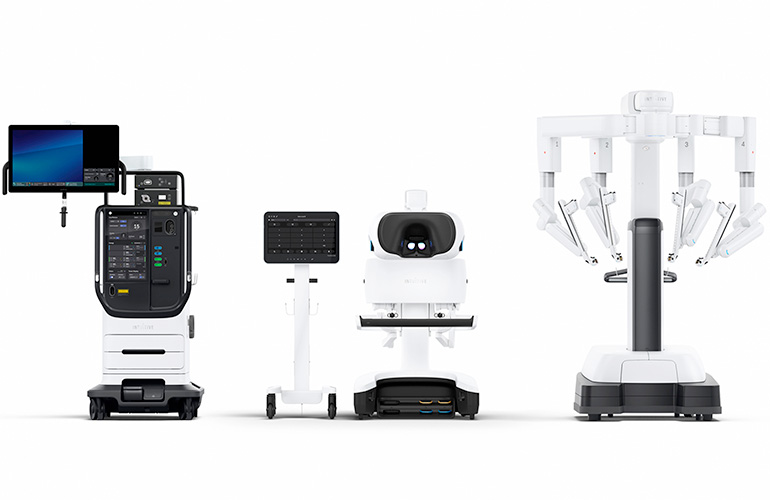
SRMX published
Robot-assisted surgery platforms and clinical robots operating under regulatory clearance.
DRMX published
Household robots sold at consumer volumes — vacuums, mowers, pool cleaners and companion devices.

SPMX published
Machines that fit no other class — pipe crawlers, lab automation, soft and continuum robots, planetary rovers.
Every category above has a published scoring profile — you can read exactly how each one is measured before any robot has been ranked by it, because a methodology written after the results are in is one fitted to them. Categories marked awaiting data have the rules but not yet the records: every entry has to clear the same ≥2-independent-sources standard as the rest of the site. A category with no profile at all admits nothing, because such a record would silently fall back to the humanoid metric — and a drone ranked against a human hand's 22 degrees of freedom is worse than no ranking.
Robot categories in 2026: what is tracked
10 of the 10 robot categories are live, with 175 robots scored between them.
Humanoid is the largest category, with 156 — 89% of everything scored, followed by Quadruped / Legged (7), Heavy & Off-Road (3) and Mobile Robots & AMRs (2). 1 live category has a published index and no robot yet.
Each category is scored on its own index — HMX for Humanoid, QMX for Quadruped / Legged, MMX for Fixed Manipulators & Cobots and MRMX for Mobile Robots & AMRs, and so on — because a surgical robot and a drone cannot be ranked on one scale. Only autonomy and commercial readiness are scored from ladders that mean the same thing in every category.
Frequently asked questions
What types of robots are there?
This index tracks Humanoid, Quadruped / Legged, Fixed Manipulators & Cobots, Mobile Robots & AMRs, Aerial / UAV, Marine / Underwater, Heavy & Off-Road, Surgical & Clinical, Consumer & Domestic and Specialised robots — 10 of these categories are scored today.
Which robot category has the most models?
Humanoid, with 156 scored robots, ahead of Quadruped / Legged with 7.